
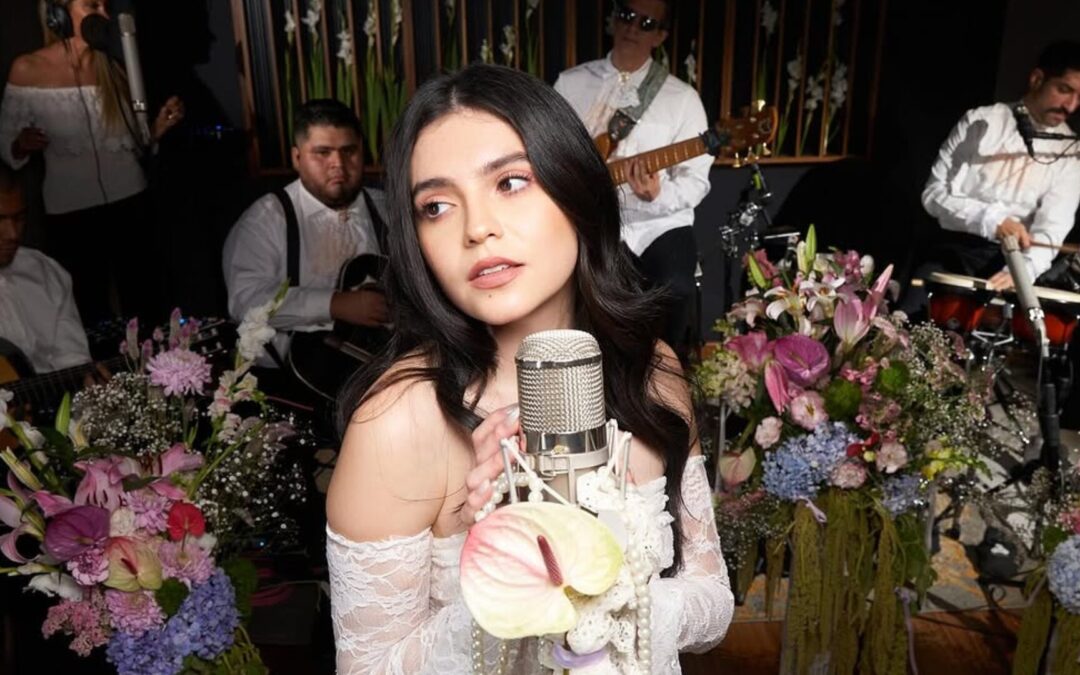
As a breakout star, Daphne Michelle isn’t just reviving tradition—she’s reshaping it. Her music celebrates the heritage of boleros while opening new doors for women in a genre long dominated by men. With every release, from heartfelt ballads to dance-infused bolero-mambo experiments, she bridges past and present, introducing timeless sounds to younger audiences. In doing so, Daphne Michelle carries forward a cultural legacy while creating her own chapter in Latin music history.
FROM UKULELE STRINGS TO BOLERO STAGES: THE EVOLUTION OF DAPHNE MICHELLE
Daphne Michelle stands out as one of the brightest new voices redefining boleros for a new generation. What began with ukulele covers recorded in her bedroom has quickly evolved into a career that honors the genre’s deep Cuban and Mexican roots while adding her own signature touch.
With a sound that blends romance, nostalgia, and the visual storytelling of fairytales, she is proving that boleros remain as powerful and relevant as ever.
WE SEE YOU AS PART OF THIS NEW WAVE OF YOUNG ARTISTS BRINGING BOLEROS TO A NEW GENERATION OF LISTENERS. HOW DO YOU SEE YOUR ROLE AS A MUSICIAN IN THE GENRE?
Hearing that made me feel so good—it’s an honor, truly. Since I was little, I remember my grandma singing boleros, singing Los Panchos, María Victoria, and I loved that music. I don’t know if it was the feeling in the music—it’s so romantic—and it gave me something no other genre could, and it still does. For me it’s an honor to be part of this beautiful space that is so special to me, and to introduce it to new generations. Bringing a little bit of the old school sounds into today’s world is fascinating, it’s an honor, and it’s so interesting to see how people receive it.
BOLEROS HAVE A VERY RICH HISTORY IN CUBA AND MEXICO. HOW DO YOU BALANCE HONORING ITS TRADITIONAL SOUNDS WHILE ADDING YOUR OWN CONTEMPORARY STYLE?
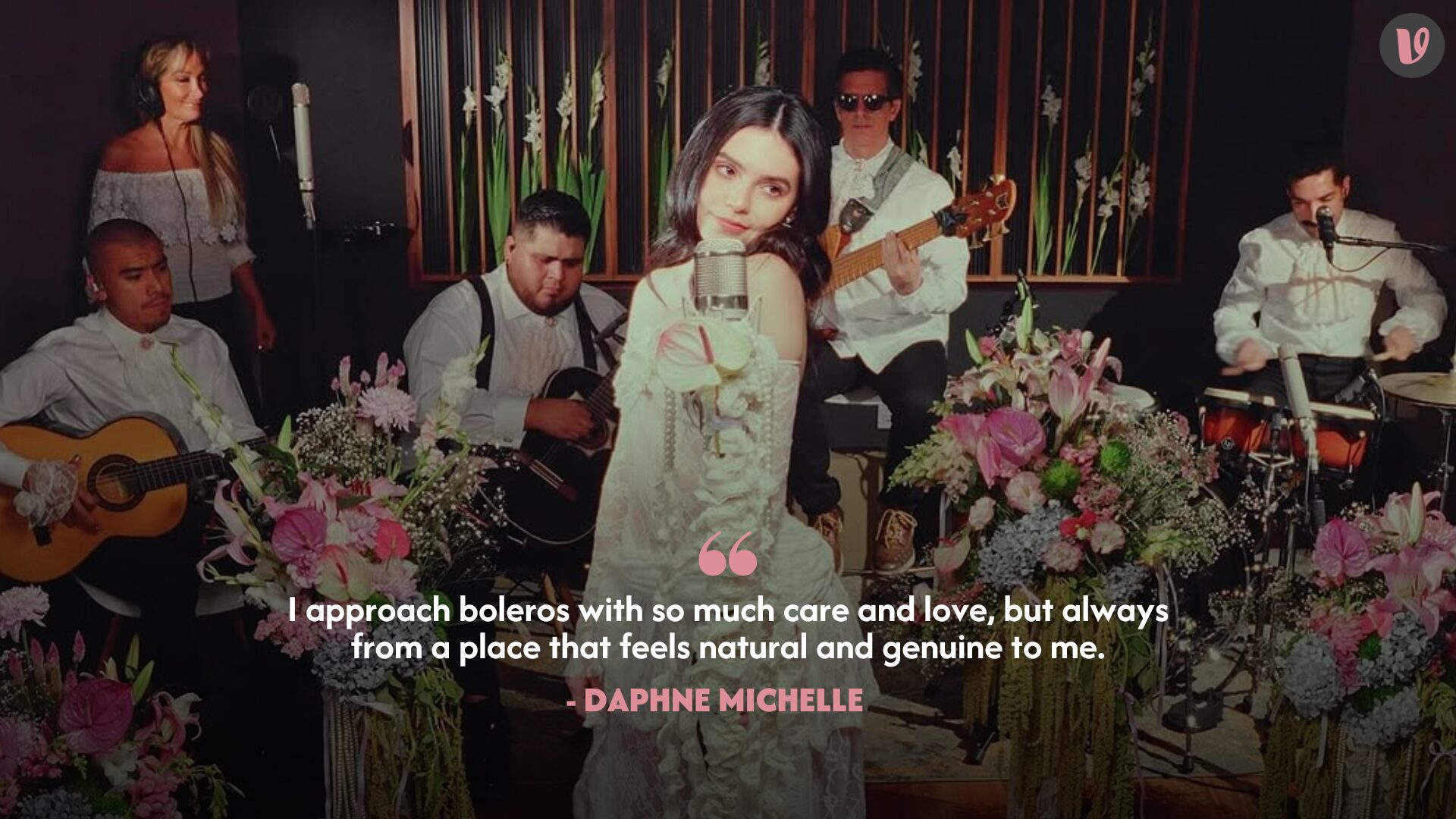
That’s really important to me, because I don’t want to ruin what a bolero is. I approach it with so much care and love, but always remembering that I do it because it flows naturally. If I wanted to write a reggaeton song, I think it would be impossible for me to do. But writing a song that in my mind already sounds like a bolero—it’s native. The things I’m passionate about are very clear, but I always try to do it from a genuine place.
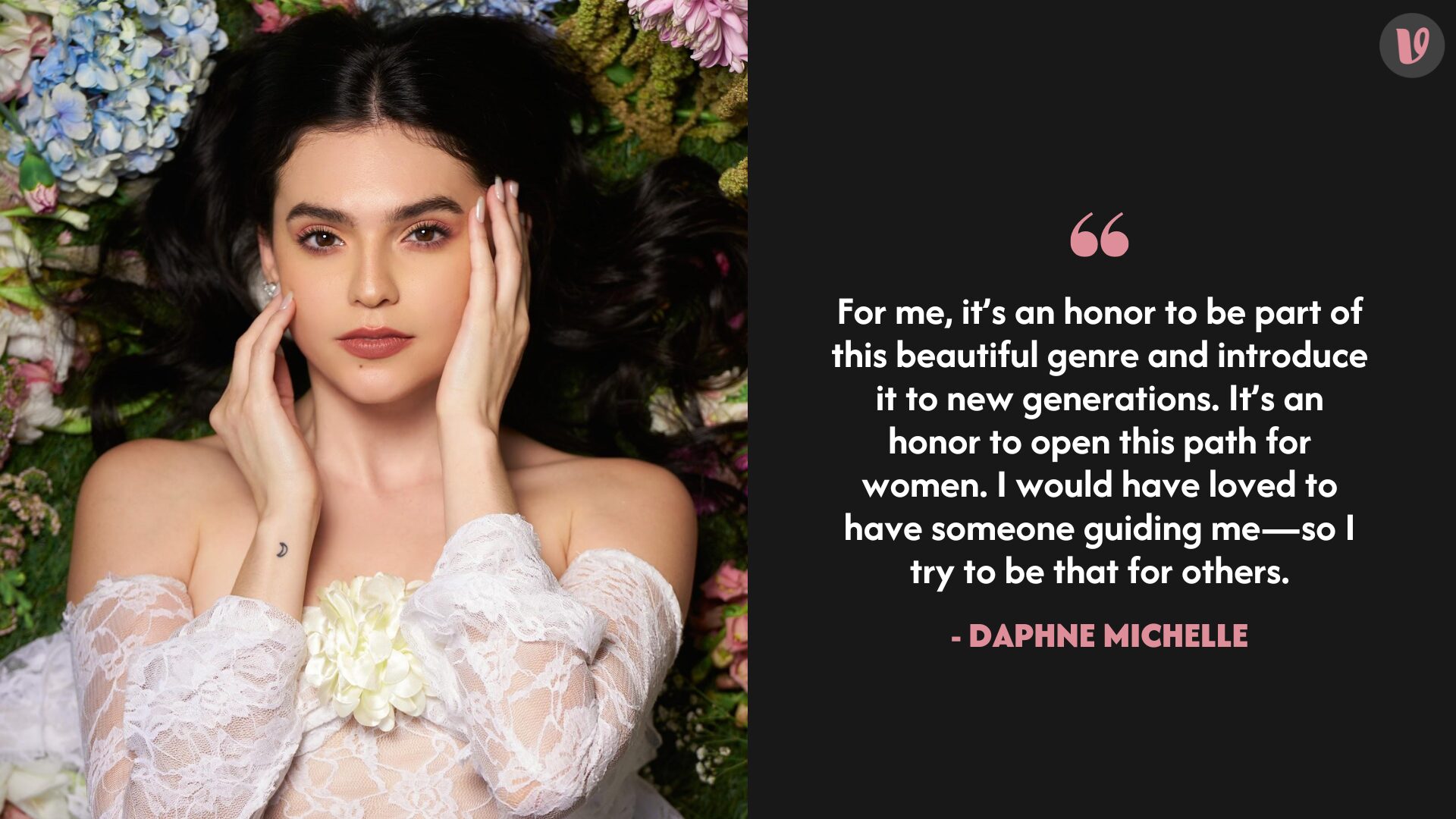
WHAT DOES IT FEEL LIKE TO BE A FEMALE MUSICIAN AND SONGWRITER IN A GENRE THAT HAS HISTORICALLY BEEN MALE-DOMINATED?
It’s an honor to open that path for women. Sometimes I get messages from girls saying, “I want to do this too, but I don’t know where to start,” and giving them advice feels like such an honor. I would have loved to have someone guide me, so whenever I can, I try to share advice with anyone who asks. It was very hard for me to open a door that was completely unknown, but I think I’ve been very fortunate to have the right people supporting me, pulling me out of places I maybe shouldn’t have been. I feel very lucky and very honored to have the role I do.
WE’VE SEEN MORE ARTISTS GET INTO BOLEROS, LIKE THE ROCK BAND COMISARIO PANTERA OR THE URBAN GROUP RAWAYANA. WHAT DO YOU THINK ABOUT THIS NEW FASCINATION WITH THE GENRE?
It’s really interesting to hear artists who normally make different types of music experiment with boleros. I love it. For example, Maye has a bolerito called “Tú.” It’s kind of a bolero-alternative-pop mix, but it’s so cool to see how they blend what they do with bolero’s traditional sounds.
HOW HAS YOUR MUSIC EVOLVED FROM THOSE JULIETA VENEGAS UKULELE COVERS TO THE DAPHNE MICHELLE WE SEE TODAY?
It’s hard to believe I’m living this dream. Since I was little, this felt like something I could never achieve, because no one in my family had any experience in music. It was like a completely new world for me. It’s exciting to see how I’ve been able to release my music, especially thinking about how I started in my room during the pandemic. I bought a ukulele just because I had nothing else to do, and Melissa from Matisse was posting ukulele covers on YouTube, so I learned that way and started uploading videos—and people liked them. Then I began writing songs, and everything just unfolded in a way I never even planned. I’ve been blessed to meet people who have guided me, shown me the way, because it’s hard when you don’t have anyone in the industry. It’s nostalgic to look back at how I started in my room, never imagining I’d be able to do all the things I’m doing now.
WHAT’S IT LIKE TO WORK AND COLLABORATE WITH THE MASTER OF BOLERO GLAM, DANIEL ZAPATA?
It’s been such a wonderful experience. Honestly, since I started making music, I would tell my producers, “This is my reference,” and I’d play Daniel, Me estás matando, never thinking I’d actually get to collaborate with them one day. I’m so grateful to him.
I had never written with anyone else until I wrote with him. I was nervous because for me songwriting is such a ritual, but everything flowed naturally since the first day we worked together. It’s great to mix a little bit of my world with his, and create what we’re building together. We’re working on this album that’s coming out, and I’m very excited and happy to have his support.
THE AESTHETIC OF YOUR VIDEOS HAS A ROMANTIC, MEDIEVAL FEEL. IT REMINDS US OF FAIRYTALE STORIES OF PRINCESSES. WHAT INSPIRED THIS VISUAL STYLE?
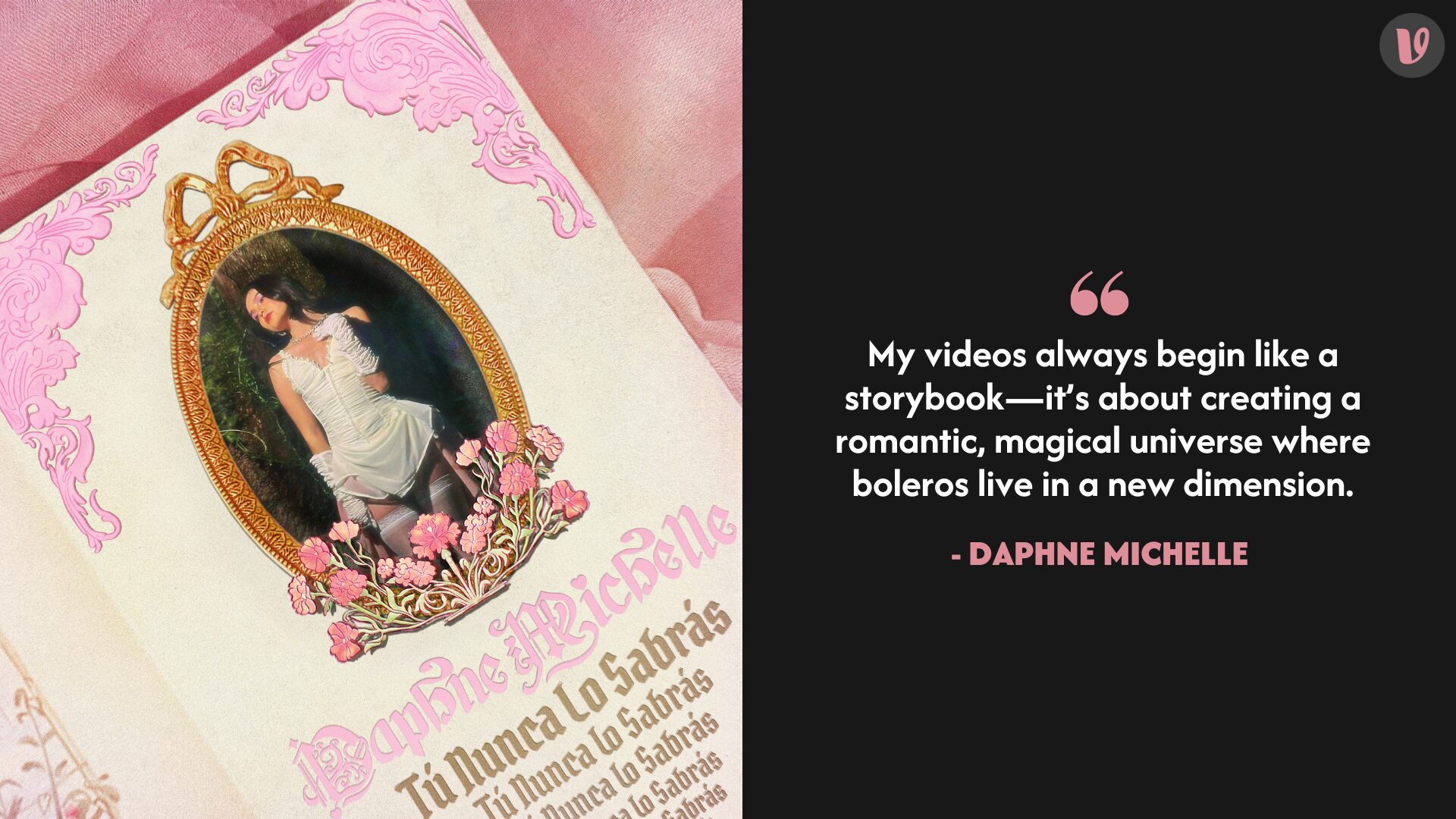
I was waiting for someone to ask me that! Part of what I grew up with was Disney princesses, so since I was little, I’ve been a huge fan of fairytales. It’s so exciting to combine the things I love most. To mix romantic or sad music—boleros—with this fantasy world. Also, the songs begin with a book. The music videos for all the singles are going to start like a storybook. The team I’ve worked with has brought my imagination to life exactly as I pictured it. It’s amazing.
YOU RECENTLY RELEASED “TÚ NUNCA LO SABRÁS” WITH LYRICS LIKE “YO TE AMARÉ AQUÍ EN SILENCIO.” EVEN THOUGH IT’S ROMANTIC, IT TELLS A STORY OF HEARTBREAK. SHOULD WE EXPECT SINGLES ABOUT A NEW LOVE STORY?
Yes—a drastic change, actually. In the first one (“Tú nunca lo sabrás”) I wanted to write something that hurt deeply, and I think I achieved that. But with this one (“¿A quién le debo?”), I wanted the opposite. All my songs are boleros, but this one is different because it has elements of mambo, it’s more danceable. It’s the first time I’ve released something like this. I’m nervous, excited, and anxious to see how people react, because I think they’re used to me releasing more acoustic boleros. But this is one of my favorite songs. The lyrics are very romantic, and it has so many elements that really excite me.
RAPID-FIRE REVEALS
LATIN ARTIST NEW GENERATIONS SHOULD DISCOVER:
Laufey
SONG THAT ALWAYS GIVES YOU GOOSEBUMPS:
Café con miel by Luz Pinos
FAVORITE INSTRUMENT AND WHY:
The ukulele, since it was the first instrument that introduced me to songwriting. It has a lot of sentimental value.
SONG YOU HOPE TO COVER AS A BOLERO SOMEDAY:
Cuidadito, cuidadito
TO BE CONTINUED… DAPHNE MICHELLE’S NEXT CHAPTER